Learning Path
Lockers Learning Path Learning Path
By Aoife McDonnell
Lockers is a new information and education resource. It assists schools in coping with and preventing the sharing of explicit self-generated images of minors. Intended for use with Junior Cycle SPHE classes.
10 resources in this Learning Path
1
Peer Pressure - Just For Fun
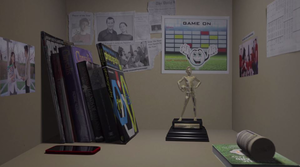
https://vimeo.com/160080883 Added: 29 Mar 2016 Contributor: Webwise Resource type: Audio / VideoJust For Fun is a short animation addressing the issue of peer pressure and non-consensual sharing of images. It forms part of a new resource created to assist schools in coping with and preventing the sharing of explicit self-generated images of minors. Lockers comprises 6 lesson plans, two animations and information for school leaders.
Lessons focus specifically on the laws around sexting, on the peer pressure and stereotyping that can contribute to non-consensual sharing and on how students can get help when incidents of non-consensual sharing occur. One of the lessons also explores the practice of victim-blaming, through the For Your Eyes Only animation.
Non-consensual sharing and subsequent victim blaming can be as a result of a number of harmful gender stereotypes, media influences and peer pressure. This lesson gives students an opportunity to analyse the influence of peers in incidents of non-consensual sharing through the Just For Fun animation. Students can debate how peer pressure can contribute to the prevalence of non-consensual sharing of intimate content and a culture of victim blaming.
For more information on Lockers go to: http://www.webwise.ie/teachers/lockers-lesson-4/
How it maps to the curriculum
- JC
- SPHE
Strand: Relationships & Sexuality
Strand unit: Peer Pressure & Other Influences
Suggestions for use: Use this video as part of Lesson 4 in the Lockers teaching resource: http://www.webwise.ie/teachers/lockers-lesson-4/
Key Skills: Communicating Managing Information and Thinking
2
Sexting - For Your Eyes Only
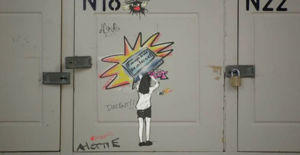
https://vimeo.com/154302864 Added: 07 Mar 2016 Contributor: Webwise Resource type: Case Study / Audio / Video / Lesson PlanFor your eyes only is an animation addressing the topic of sexting. It is part of the Lockers teaching resource. The resource assists schools in coping with and preventing the sharing of explicit self-generated images of minors. Intended for use with Junior Cycle SPHE classes, Lockers is supported by a newly developed animation and six lesson plans. Also included in Lockers is an information section for school leaders. This 25-page section informs principals on the context for sexting among young people, the laws that can come into effect when underage sexting occurs and the implications for school policy.
View full descriptionHow it maps to the curriculum
- JC
- SPHE
Strand: Relationships & Sexuality
Strand unit: Making Responsible Decisions
Suggestions for use: Use with Lesson 2 and 3 of the Lockers Teaching Resource.
The video can also be used to lead a class discussion on victim blaming and sexting.
Key Skills: Communicating Managing Information and Thinking Staying Well Managing Myself
3
Forever
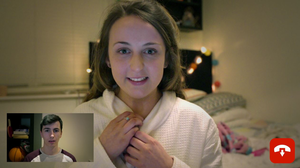
http://www.watchyourspace.ie/forever Added: 29 Feb 2016 Contributor: Webwise Resource type: Case Study / Audio / VideoForever is a 2 minute video addressing the topic of sexting among teens and the potential consequences. The video is supported by a website offering information and support for teens.
View full descriptionHow it maps to the curriculum
- JC
- SPHE
Strand: Relationships & Sexuality
Strand unit: Making Responsible Decisions
Suggestions for use: The Forever video could be used as a support to the Lockers resource. The video can also be used to lead a class discussion on image-sharing.
Key Skills: Communicating Managing Myself
Strand: Personal Safety
Strand unit: Recognising Unsafe Situations
4
Lockers
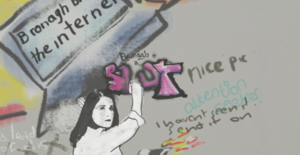
http://www.webwise.ie/lockers/ Added: 29 Feb 2016 Contributor: Webwise Resource type: Case Study / Audio / Video / Lesson PlanLockers is an information and education resource. It assists schools in coping with and preventing the sharing of explicit self-generated images of minors. Lockers is the first Irish education resource of its kind to tackle the sensitive subject of sexting. Intended for use with Junior Cycle SPHE classes, the education resource is supported by two newly developed animations and six lesson plans. Lockers was developed to support schools as they address the issue of non-consensual sharing of intimate images (sometimes referred to as ‘revenge porn’), in the context of the SPHE class. The resource aims to foster empathy, respect and resilience and to help young people understand the consequences of their actions.
View full descriptionHow it maps to the curriculum
- JC
- SPHE
Strand: Personal Safety
Strand unit: Recognising Unsafe Situations
Suggestions for use: This resource is mapped to the Junior Cycle SPHE curriculum and is intended for use with 2nd and 3rd year students, as part of the RSE programme. However, this curriculum mapping shouldn’t be limiting. It is expected that the resource could be adapted for use with Senior Cycle students and particularly with Transition Year students. Certain activities could be used in English media studies classes and in religion classes.
Key Skills: Communicating Managing Information and Thinking Staying Well Literacy Managing Myself
5
Lockers – The Law on Sharing Intimate Content
http://www.webwise.ie/teachers/lockers-lesson-1/ Added: 03 Mar 2016 Contributor: Webwise Resource type: Audio / Video / Lesson PlanBeing able to recognise that sharing intimate content is illegal for minors and the harm that sharing someone else’s intimate content, without their permission, can cause, will encourage students to act responsibly when they encounter intimate content online or when considering sending a sext.
Students will be able to determine when the exchange of intimate content online is illegal and will begin to consider the steps that can be taken when the exchange of intimate content online causes harm.
How it maps to the curriculum
- JC
- SPHE
Strand: Relationships & Sexuality
Strand unit: Managing Relationships
Suggestions for use: This resource is mapped to the Junior Cycle SPHE curriculum and is intended for use with 2nd and 3rd year students, as part of the RSE programme. However, this curriculum mapping shouldn’t be limiting. It is expected that the resource could be adapted for use with Senior Cycle students and particularly with Transition Year students. Certain activities could be used in English media studies classes and in religion classes.
Key Skills: Communicating Managing Information and Thinking Staying Well Working with Others Literacy
6
Lockers – When Online Sharing Goes Wrong
http://www.webwise.ie/teachers/lockers-lesson-2/ Added: 03 Mar 2016 Contributor: Webwise Resource type: Audio / Video / Lesson PlanThis lesson gives students an opportunity to explore the emotions involved in incidents of non consensual sharing of intimate content and to develop strategies for coping effectively and compassionately.
Students will be able to respond in a sympathetic, empathetic and effective manner to witnessing or being involved in incidents of non-consensual sharing.
How it maps to the curriculum
- JC
- SPHE
Strand: Personal Safety
Strand unit: Recognising Unsafe Situations
Suggestions for use: This resource is mapped to the Junior Cycle SPHE curriculum and is intended for use with 2nd and 3rd year students, as part of the RSE programme. However, this curriculum mapping shouldn’t be limiting. It is expected that the resource could be adapted for use with Senior Cycle students and particularly with Transition Year students. Certain activities could be used in English media studies classes and in religion classes.
Key Skills: Communicating Managing Information and Thinking Staying Well Working with Others
- JC
- Short Courses
Strand: Digital Media Literacy
Strand unit: 4. Publishing Myself
7
Lockers - Victim Blaming
http://www.webwise.ie/teachers/lockers-lesson-3/ Added: 03 Mar 2016 Contributor: Webwise Resource type: Audio / Video / Lesson PlanThis lesson gives students an opportunity to explore the issue of victim blaming, which can often arise when incidents of non-consensual sharing have occurred.
Students will be able to respond in a sympathetic, effective and non-victim blaming manner to witnessing or being involved in incidents of non-consensual sharing.
How it maps to the curriculum
- JC
- SPHE
Strand: Personal Safety
Strand unit: Recognising Unsafe Situations
Suggestions for use: This resource is mapped to the Junior Cycle SPHE curriculum and is intended for use with 2nd and 3rd year students, as part of the RSE programme. However, this curriculum mapping shouldn’t be limiting. It is expected that the resource could be adapted for use with Senior Cycle students and particularly with Transition Year students. Certain activities could be used in English media studies classes and in religion classes.
Key Skills: Communicating Managing Information and Thinking Staying Well Working with Others Literacy
8
Lockers - Peer Pressure and Non-Consenual Sharing
http://www.webwise.ie/teachers/lockers-lesson-4/ Added: 03 Mar 2016 Contributor: Webwise Resource type: Audio / Video / Lesson PlanNon-consensual sharing and subsequent victim blaming can be as a result of a number of harmful gender stereotypes, media influences and peer pressure. This lesson gives students an opportunity to analyse the influence of peers in incidents of non-consensual sharing.
Students will have debated how peer pressure can contribute to the prevalence of non-consensual sharing of intimate content and a culture of victim blaming.
How it maps to the curriculum
- JC
- SPHE
Strand: Relationships & Sexuality
Strand unit: Peer Pressure & Other Influences
Suggestions for use: This resource is mapped to the Junior Cycle SPHE curriculum and is intended for use with 2nd and 3rd year students, as part of the RSE programme. However, this curriculum mapping shouldn’t be limiting. It is expected that the resource could be adapted for use with Senior Cycle students and particularly with Transition Year students. Certain activities could be used in English media studies classes and in religion classes.
Key Skills: Communicating Managing Information and Thinking Staying Well Working with Others Literacy
9
Lockers - The Influence of Media and Gender Stereotypes
http://www.webwise.ie/teachers/lockers-lesson-5/ Added: 03 Mar 2016 Contributor: Webwise Resource type: Audio / Video / Lesson PlanNon-consensual sharing and subsequent victim blaming can be as a result of a number of harmful gender stereotypes, media influences and peer pressure. This lesson gives students an opportunity to analyse these influences, pressures and stereotypes and to develop strategies for promoting a culture of greater respect in online communications.
Students will have analysed how the media and gender stereotypes can contribute to the prevalence of non-consensual sexting and a culture of victim blaming. Students will develop strategies for tackling harmful peer pressure.
How it maps to the curriculum
- JC
- SPHE
Strand: Relationships & Sexuality
Strand unit: Making Responsible Decisions
Suggestions for use: This resource is mapped to the Junior Cycle SPHE curriculum and is intended for use with 2nd and 3rd year students, as part of the RSE programme. However, this curriculum mapping shouldn’t be limiting. It is expected that the resource could be adapted for use with Senior Cycle students and particularly with Transition Year students. Certain activities could be used in English media studies classes and in religion classes.
Key Skills: Being Creative Communicating Managing Information and Thinking Staying Well Working with Others Literacy Managing Myself
Strand: Influences & Decisions
Strand unit: Making Decisions
Strand: SPHE - JC Short Cource
Strand unit: 3.3 Sexuality, Gender Identity, Sexual Health
10
Lockers - Getting Help when your Digital Content seems to last Forever
http://www.webwise.ie/teachers/lockers-lesson-6/ Added: 03 Mar 2016 Contributor: Webwise Resource type: Audio / Video / Lesson PlanExploring the persistent nature of digital content will help students to become more responsible in their sexting and photo sharing practices.
Students will create an awareness campaign to support people who are the victims of non-consensual sharing of intimate content. Students will be able to report incidents of non-consensual sharing, take steps to prevent the offending content from spreading further and access support services.
How it maps to the curriculum
- JC
- SPHE
Strand: Friendship
Strand unit: The Changing Nature of Friendship
Suggestions for use: This resource is mapped to the Junior Cycle SPHE curriculum and is intended for use with 2nd and 3rd year students, as part of the RSE programme. However, this curriculum mapping shouldn’t be limiting. It is expected that the resource could be adapted for use with Senior Cycle students and particularly with Transition Year students. Certain activities could be used in English media studies classes and in religion classes.
Key Skills: Communicating Managing Information and Thinking Staying Well Working with Others Literacy
Strand: Relationships & Sexuality
Strand unit: Where Am I Now?